
The Conformation of the Epistemic-Teaching Identity of the Researches in Education
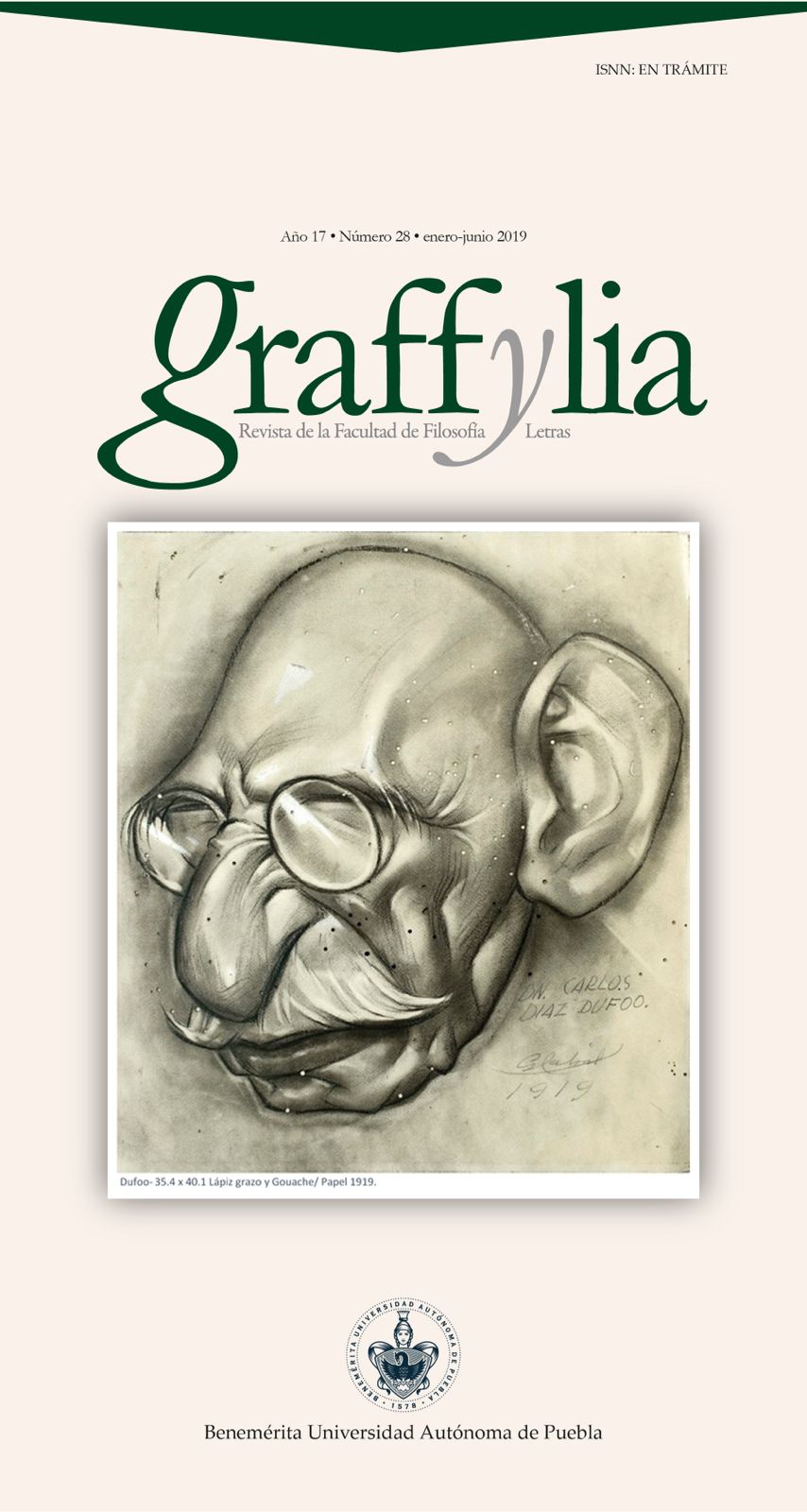
Published 2019-01-07
Keywords
- Research,
- Identity,
- Epistemology,
- Teaching

This work is licensed under a Creative Commons Attribution-NonCommercial-NoDerivatives 4.0 International License.
How to Cite
Abstract
The Postgraduate professional students in education, during the preparation of their thesis, they need to recognize the importance of the epistemological dimension, rather than assuming a methodological predisposition, which will allow them to assert that what it is generated, constitutes knowledge. It is necessary that they construct their epistemological identity, which requires the formation of their teaching identity, this being the basis on which they will position themselves to understand the educational facts. The consolidation and the encounter from both identities form the support to generate new knowledge or to build new connotations for the existing knowledge.
Downloads
References
- Briones, G. (2002). Epistemología de las ciencias sociales. Colombia: Instituto Colombiano para el Fomento de la Educación Superior.
- Campos-Winter, H. (2018). Estudio de la identidad cultural mediante una construcción epistémica del concepto identidad cultural. Cinta Moebio. 62. 199-212. Doi: 10.4067/S0717-554X2018000200199
- Castro, L., Castro, M., y Morales, J. (2016). Metodología de las ciencias sociales. Una introducción crítica. Tercera Edición. Madrid: Tecnos.
- Gadamer, H. (2007). Verdad y método. Salamanca: Ediciones Sígueme.
- Giménez, G. (2010). La cultura como identidad y la identidad como cultura. Ciudad de México: Instituto de Investigaciones Sociales de la UNAM.
- Hessen, J. (1982). Teoría del conocimiento (16 th. Ed). Barcelona: Austral.
- Hernández, A. (2017). “La hermenéutica de Gadamer, líneas para su incursión en la investigación en educación” en Luis Alan Acuña (Coords). Formación de investigadores educativos en América Latina. Hacia la construcción de un estado del arte. Edit. REDIE, México.
- Llano, A. (1984). Gnoseología. Pamplona: Universidad de Navarra.
- Lora, J. y Sánchez, J. (2012). Hacia una metodología de la praxis. La investigación social en gráficas. Puebla: Instituto de Ciencias Sociales y Humanidades Alfonso Vélez Pliego, BUAP.
- Morales, B., Benavides, L., Reséndiz, M., Haro, K., Franco, L. y Dixon, E. (2012). La epistemología y la metodología. Un binomio fundamental para la construcción de la tesis. Puebla: Benemérita Universidad Autónoma de Puebla.
- Sánchez, A. (1993). La ideología de la “neutralidad ideológica” en las ciencias sociales. Zona Abierta. No. 7, pp. 67-83.
- Torres, A. y Carrasco, J. (2008). Al filo de la identidad. La migración indígena en América Latina. Quito: Crearimagen.
- Van Dijk, T. (2010). Ideología y discurso. Barcelona: Ariel.
- Vergara del Solar, J., Vergara Estévez, J. y Gundermann, H. (2010). Elementos para una teoría crítica de las identidades culturales en América Latina. Utopía y Praxis Latinoamericana, vol. 15, (51), pp. 57-79.
- Verneaux, R. (1997). Epistemología general o crítica del conocimiento. Curso de filosofía tomista. Barcelona: Herder.
- Villoro, L. (1986). Creer, saber y conocer. (tercera edición). México: Siglo XXI Editores.
- Zapata, O. (2005). ¿Cómo encontrar un tema y construir un problema? Innovación Educativa. Vol. 5, (29), pp. 37-45.
- Žižek, S. (2003). El sublime objeto de la ideología. Buenos Aires: Siglo XXI Editores.